

How to get a job of an android developer being a fresher
Posted By:ExcelPTP
March 17,2020
Are you passionate about mobile apps and want to become an Android App developer? Becoming an Android developer is easy to start, but becoming a successful Android developer and standing out from the rest requires strong dedication, practice, and consistency. It takes hard work, passion, and perseverance to excel in this field.
It is a great time to be an Android Developer. The technology is evolving rapidly, new devices are launching continuously, and demand for skilled developers is very high. Working as an Android developer can be both rewarding and challenging, especially when you are just starting out.
Our mission at ExcelPTP is to help students build the skills they need for their careers and guide them to start and grow in the IT industry. Entry-level Android developer roles are similar to other programming jobs, but employers expect a strong foundation in core skills and practical understanding.
Technical Skills
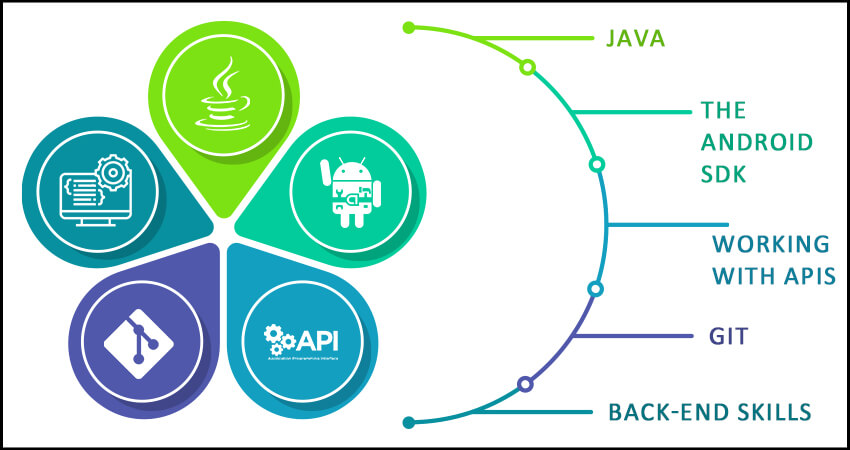
- 1. Java
Java is one of the most widely used languages for Android development. While multiple technologies exist, many companies still prefer native development using Java with Android Studio.
You should understand variables, loops, lists, control structures, and object-oriented programming concepts like classes, methods, and inheritance. You should also be able to read documentation and learn new APIs independently.
- 2. The Android SDK
- Layouts and Views
- Activities and lifecycle management
- User input handling
- Data fetching from the web
- Data storage techniques
- List Views and Adapters
- Action Bar usage
- Support for multiple screen sizes and densities
The Android SDK provides essential tools for building Android applications. You should understand the following core concepts:
- 3. Working with APIs
Most modern applications depend on network communication. Developers frequently work with APIs to fetch and send data.
Focus mainly on JSON/REST APIs as they are widely used. XML/SOAP is less common but still used in some legacy systems.
- 4. Git
Git is essential for version control. It helps developers manage code changes efficiently, especially when working in teams.
You should understand how to create repositories, commit changes, push code, and manage branches at a basic level.
- 5. Back-end Skills
Some companies expect Android developers to understand back-end development as well.
This is not always mandatory, but having basic knowledge of server-side technologies can give you an advantage. Even a basic understanding of system architecture and APIs is helpful when working in real projects.
Responsibilities of Android Developers
- Design and build advanced Android applications
- Collaborate with cross-functional teams to define and deliver features
- Integrate external APIs and data sources
- Write unit tests to ensure reliability and performance
- Fix bugs and improve application performance
- Learn and implement new technologies to improve efficiency
- Convert UI/UX designs into high-quality code
- Maintain performance, quality, and responsiveness of applications
- Identify and resolve performance bottlenecks
- Maintain clean, organized, and well-structured code
- Design Phase
- Development Phase
- Submission Process
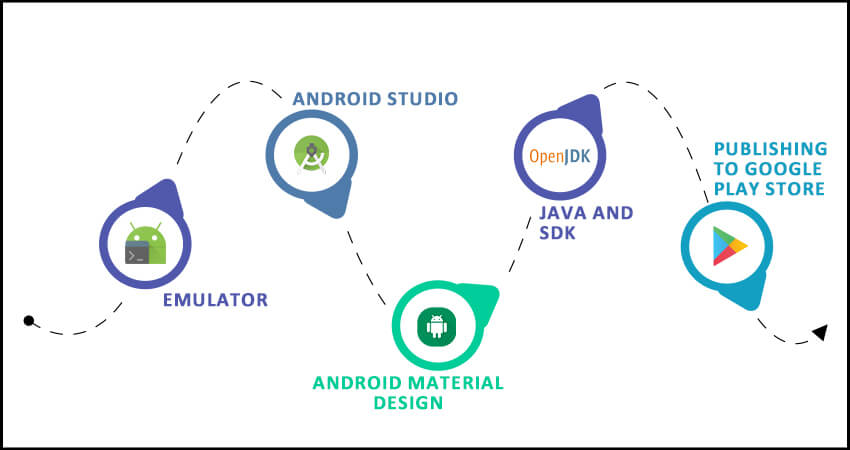
An Android Developer understands project requirements and converts them into a working application that can be published on the Google Play Store. The development process generally includes the following phases:
Today, many developers handle both design and development along with deployment. These professionals are often called full-stack mobile developers.
UX (User Experience) and UI (User Interface) skills are highly important in modern Android development. Developers who understand both design and coding have better career opportunities in the market.
Role of an Android Developer
Career Levels in Android Development
An Android Developer role evolves over time based on experience and skills.
Junior Level: Developers start by working on small features, bug fixes, and learning project structure under supervision.
Intermediate Level: Developers handle modules independently and contribute to medium-complexity features.
Senior Level: Developers manage complete projects, review code, make architectural decisions, and guide junior developers.
Choosing the Right Developer
Companies hire developers based on project complexity. Junior developers are suitable for small updates and maintenance work, while senior developers are preferred for building applications from scratch.
Senior developers also ensure code quality, system design, and performance optimization before production releases.
- Mobile App Developer
- Android Engineer
- Mobile Architect
- Mobile Embedded Software Engineer
- Mobile Lead Software Engineer
- Android Developer
- Mobile Developer
Common Job Roles in the Market:
NEW COURSES


Contact Us
Trending Courses
Popular Posts
-
 March 17, 2020 Top 10 IT Training Courses For fresher india
 -

-
 March 17, 2020 10 Software Course You can learn in 6 Weeks or less