

Job Oriented Courses For Digital Marketing 2026
Posted By:ExcelPTP
March 25,2019
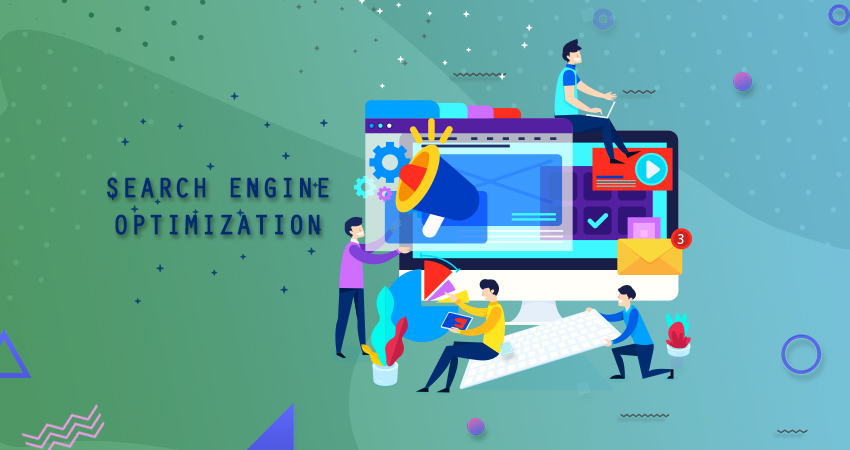
Digital Marketing Guide explains how businesses use digital channels such as search engines, social media platforms, emails, and websites to connect with customers. Digital marketing includes all marketing activities that use digital devices or the internet to promote products, services, and brands.
The Digital Marketing Guide helps beginners and professionals understand different online marketing strategies and how they support business growth. Digital marketers use both free and paid digital channels to reach the right audience, increase brand awareness, generate leads, and improve conversions.
For example, a content marketer may create blog posts to attract potential customers for a new product or service. Additionally, a social media marketer can promote this content through organic and paid campaigns on platforms like Facebook, Instagram, and LinkedIn. Similarly, an email marketer can send targeted campaigns to users who show interest in a brand.
Digital Marketing Guide: What Does a Digital Marketer Do?
Digital marketers are responsible for increasing online visibility, building brand awareness, and generating leads through different digital channels. These channels include search engines, social media platforms, company websites, email campaigns, paid advertisements, and content marketing platforms.
A digital marketer focuses on specific key performance indicators (KPIs) for every marketing channel. Therefore, they can measure campaign performance and understand which strategies deliver better results. For example, an SEO specialist tracks organic website traffic to analyze how many users discover a website through search engines.
Moreover, digital marketing includes multiple roles and responsibilities. In small businesses, one person may manage several activities such as SEO, social media marketing, email marketing, and paid advertising. However, large organizations usually hire specialists for individual digital marketing functions.
Today, businesses are rapidly moving toward digital platforms because customers spend more time online. As technology continues to grow, companies need skilled digital marketers who can create effective strategies and improve their online presence.
Digital Marketing Guide: Types of Digital Marketing
The Digital Marketing Guide covers different marketing methods that help businesses attract, engage, and convert customers online. Each digital marketing channel has a specific purpose and plays an important role in achieving business goals.
1. Search Engine Optimization (SEO)
Search Engine Optimization (SEO) is the process of improving website visibility on search engines through organic search results. SEO helps businesses optimize their websites so search engines like Google, Yahoo, and Bing can understand and rank their content properly.
According to this Google Search Central documentation, websites should focus on creating helpful, reliable, and user-friendly content to improve search performance.
-
Quality of Traffic:
Getting thousands of visitors is not useful if they are not interested in your products or services. SEO helps businesses attract users who are actively searching for relevant information. -
Quantity of Traffic:
When the right audience discovers a website through search engines, increased traffic can create more opportunities for leads, sales, and business growth. -
Organic Results:
Organic traffic refers to visitors who reach a website naturally through search engines without clicking paid advertisements.
To understand SEO better, let’s divide it into three important parts:
There are two main types of SEO:
- 1. On-Page SEO
- 2. Off-Page SEO
On-Page SEO:
On-Page SEO focuses on improving individual web pages to increase search engine rankings and provide a better user experience. It includes optimizing website content, keywords, images, and technical elements.
- Meta Title, Meta Description, and Meta Tags
- URL Structure Optimization
- Content Optimization
- Heading Tags (H1, H2, H3, H4, H5, H6)
- Keyword Optimization
- Image Optimization
- Internal Linking
- Website Speed Optimization
Off-Page SEO:
Off-Page SEO improves website authority and rankings through activities performed outside the website. The main goal of off-page SEO is to build quality backlinks and increase brand credibility.
- Social Bookmarking
- Classified Submission
- Business Listing
- Directory Submission
- Profile Submission
- URL Submission
- PPT Submission
- Press Release Submission
- Image and Video Submission
- Article Submission
Digital Marketing Guide: Social Media Marketing
Social Media Marketing is an important part of the Digital Marketing Guide that helps businesses connect with their target audience through different social media platforms. It allows brands to communicate directly with customers, share valuable content, promote products, and build long-term relationships.
Today, customers often check a company’s social media profiles before making purchasing decisions. Therefore, maintaining active and professional social media accounts helps businesses improve trust, increase brand awareness, and create a stronger online presence.
Social media platforms allow businesses to reach specific audiences through both organic content and paid advertising campaigns. Marketers use platforms such as Facebook, Instagram, LinkedIn, X (Twitter), and other networks to share updates, generate leads, and improve customer engagement.
- Creating and publishing engaging content.
- Managing business social media profiles.
- Running paid social media advertising campaigns.
- Responding to customer comments and messages.
- Analyzing social media performance using insights and analytics.
- Building brand awareness through community engagement.
Common Social Media Marketing Activities:
Key Takeaway: Social media marketing helps businesses create meaningful connections with customers. Consistent posting, valuable content, and active engagement can improve brand visibility and customer loyalty.
Digital Marketing Guide: Google Ads and PPC
Google Pay Per Click (PPC) advertising is a powerful digital marketing strategy that allows businesses to display advertisements on search engines and pay only when users click on their ads. Google Ads helps companies reach customers who are actively searching for their products or services.
In this Digital Marketing Guide, understanding PPC advertising is important because it provides quick visibility and measurable results. Businesses can control their advertising budget, select target keywords, and optimize campaigns based on performance data.
Businesses can create targeted advertising campaigns using the official Google Ads platform to reach potential customers at the right time.
- Keyword Research: Finding relevant keywords that customers search for online.
- Ad Copy Creation: Writing attractive advertisements that encourage users to take action.
- Budget Management: Setting and controlling daily advertising expenses.
- Campaign Optimization: Improving advertisements based on clicks, conversions, and performance data.
- Audience Targeting: Showing ads to specific users based on interests, location, and search behavior.
Important Elements of Google Ads:
Furthermore, Google Ads is not only useful for increasing website traffic but also for generating leads and improving sales. With proper planning and continuous optimization, businesses can achieve better returns from their advertising investment.
Digital Marketing Guide: Google Analytics
Google Analytics is a free web analytics tool that helps businesses understand website visitors and their online behavior. It provides valuable insights about traffic sources, user engagement, conversions, and website performance.
A successful Digital Marketing Guide strategy requires data analysis because marketers need to understand what works and what needs improvement. Google Analytics helps professionals make data-driven decisions and improve marketing campaigns.
Marketers can use Google Analytics to measure important website activities and track marketing performance.
-
Data Visualization:
Dashboards, reports, and charts help marketers understand website performance easily. -
Audience Segmentation:
Businesses can analyze different customer groups and their behavior. -
Custom Reports:
Marketers can create reports based on specific business goals and KPIs. -
Conversion Tracking:
Businesses can measure completed actions such as purchases, registrations, and inquiries. -
Integration:
Google Analytics can connect with other Google marketing tools for better campaign analysis.
Google Analytics Features Include:
Google Analytics is useful for businesses of all sizes because it provides detailed information about customer interactions. Small businesses can use these insights to improve their websites, while larger organizations can use advanced analytics solutions for complex data requirements.
Moreover, businesses should handle customer data responsibly and follow privacy guidelines. Proper data management helps companies improve customer experiences while maintaining trust.
Digital Marketing Guide: Affiliate Marketing
Affiliate Marketing is an important part of the Digital Marketing Guide that explains how businesses and individuals can generate revenue by promoting products or services online. It works on a performance-based model where marketers earn a commission for every successful sale or lead generated through their referral links.
In affiliate marketing, product creation, promotion, and sales activities are managed by different parties. The affiliate marketer focuses on promoting products, while the company handles product development, delivery, and customer support.
-
Join an Affiliate Program:
You register with a company or affiliate platform that provides products or services for promotion. -
Select Products or Services:
You choose relevant products and receive a unique affiliate tracking link. -
Promote Through Digital Channels:
You share affiliate links through blogs, websites, social media, YouTube videos, or email campaigns. -
Earn Commission:
When someone purchases through your referral link, you receive a commission from the company.
How Affiliate Marketing Works in 4 Simple Steps:
-
Low Startup Cost:
Most affiliate programs are free to join, making it easier for beginners to start online marketing. -
No Product Creation Required:
Affiliate marketers do not need to create their own products or manage inventory. -
Flexible Working Opportunity:
Affiliate marketing allows professionals to work from anywhere with an internet connection. -
Passive Income Potential:
With consistent effort and effective strategies, affiliate marketing can create long-term income opportunities. -
Multiple Promotion Channels:
Marketers can use websites, social media, email marketing, and video platforms to promote products.
Benefits of Becoming an Affiliate Marketer:
Digital Marketing Guide: Email Marketing
Email Marketing is a powerful strategy covered in this Digital Marketing Guide that helps businesses communicate directly with customers through email messages. Companies use email marketing to share product updates, promotional offers, newsletters, and valuable information.
Email marketing is a form of direct marketing that allows businesses to build relationships with existing customers and attract potential buyers. When businesses send relevant and personalized emails, they can improve customer engagement and increase conversions.
- Building strong relationships with existing customers.
- Promoting new products, services, and special offers.
- Nurturing potential customers through targeted email campaigns.
- Sharing educational content, newsletters, and company updates.
- Increasing repeat purchases and customer loyalty.
Email Marketing is Commonly Used For:
-
Increase Brand Awareness:
Regular communication helps customers remember and recognize a business. -
Cost Effective Marketing:
Email campaigns are affordable compared to many traditional marketing methods. -
Track Performance:
Marketers can analyze open rates, clicks, and conversions to measure campaign success. -
Personalized Communication:
Businesses can send customized messages based on customer interests and behavior. -
Improve Customer Retention:
Relevant emails encourage customers to stay connected with a brand. -
Mobile-Friendly Communication:
Responsive email designs improve user experience across smartphones and tablets. -
Measure ROI:
Email analytics help businesses understand revenue generated from campaigns.
Major Benefits of Email Marketing:
Digital Marketing Guide: Content Marketing
Content Marketing is a major component of the Digital Marketing Guide that focuses on creating valuable, informative, and relevant content to attract and engage a target audience. Instead of directly promoting products, businesses provide useful information that helps customers solve their problems.
Content marketing supports brand building, SEO performance, customer trust, and online visibility. Businesses use different types of content such as articles, videos, guides, case studies, and social media posts to connect with their audience.
- Blog Posts
- Videos
- Infographics
- Case Studies
- Ebooks and Guides
- Social Media Content
- Email Newsletters
- Podcasts
- Webinars
Types of Content Marketing Include:
Additionally, content marketing plays an important role in search engine optimization because search engines prefer websites that provide useful and original information. Businesses that consistently publish high-quality content can attract more organic visitors and improve their online authority.
A successful content strategy focuses on understanding customer needs, creating valuable resources, and distributing content through the right digital channels.
Digital Marketing Guide: Mobile Marketing
Mobile Marketing is an essential part of the Digital Marketing Guide that focuses on reaching customers through mobile devices such as smartphones and tablets. Since millions of users access the internet through mobile devices, businesses use mobile marketing strategies to connect with customers anytime and anywhere.
Mobile marketing allows brands to deliver personalized messages through SMS, mobile applications, push notifications, mobile advertisements, and location-based marketing campaigns. These strategies help businesses improve customer engagement and increase conversions.
- SMS Marketing: Businesses send promotional messages, updates, and offers directly to customers through text messages.
- Mobile App Marketing: Companies promote their mobile applications to improve customer interaction and brand loyalty.
- Push Notifications: Apps send instant updates, reminders, and personalized messages to users.
- Mobile Search Ads: Businesses display advertisements to users searching through mobile devices.
- Location-Based Marketing: Brands use customer location data to provide relevant offers and promotions.
- Mobile-Friendly Websites: Responsive websites improve user experience across smartphones and tablets.
Common Mobile Marketing Methods:
Therefore, businesses need a mobile-focused strategy to reach modern customers effectively. A mobile-friendly approach improves accessibility, engagement, and overall digital marketing performance.
Digital Marketing Guide: Video Marketing
Video Marketing is a powerful strategy included in this Digital Marketing Guide that helps businesses promote products, services, and brands through video content. Videos are highly engaging because they combine visuals, audio, and storytelling to communicate information effectively.
Businesses use video marketing to explain products, demonstrate services, educate customers, share brand stories, and increase awareness. Platforms such as YouTube, Instagram, Facebook, and LinkedIn provide excellent opportunities for businesses to distribute video content.
- Improves customer engagement and interaction.
- Helps businesses explain complex products and services easily.
- Builds stronger brand recognition and trust.
- Increases website traffic and conversion opportunities.
- Supports SEO by improving user engagement metrics.
- Creates opportunities for viral content sharing.
Benefits of Video Marketing:
Moreover, short-form videos have become increasingly popular because they quickly capture audience attention. Businesses can use creative video strategies to connect with customers and achieve better marketing results.
Digital Marketing Guide: Influencer Marketing
Influencer Marketing is another important topic covered in the Digital Marketing Guide. It is a strategy where businesses collaborate with influencers who have a dedicated online audience to promote their products or services.
Influencers can help brands reach specific customer groups through authentic recommendations and engaging content. Since audiences often trust recommendations from creators they follow, influencer marketing can improve brand credibility and customer relationships.
- Increases brand awareness and online visibility.
- Helps businesses reach targeted audiences.
- Builds trust through authentic product recommendations.
- Improves social media engagement.
- Supports product promotion and sales growth.
- Creates valuable user-generated content.
Benefits of Influencer Marketing:
Successful influencer marketing requires choosing the right influencers who match the brand’s audience, values, and marketing goals.
Digital Marketing Guide: Marketing Automation
Marketing Automation is the process of using software and technology to automate repetitive marketing activities. In this Digital Marketing Guide, marketing automation is an important strategy because it helps businesses save time, improve customer communication, and increase marketing efficiency.
With automation tools, businesses can send personalized messages, manage leads, track customer activities, and improve customer journeys. As a result, marketers can focus more on strategy and creative planning.
- Email Campaign Automation
- Lead Management
- Customer Segmentation
- Social Media Scheduling
- Customer Relationship Management (CRM)
- Automated Follow-Up Messages
- Performance Tracking and Reporting
Common Marketing Automation Activities:
Marketing automation improves customer experience by delivering the right message to the right audience at the right time. It also helps businesses increase productivity and achieve better marketing outcomes.
Digital Marketing Guide: Online Reputation Management (ORM)
Online Reputation Management (ORM) focuses on monitoring, influencing, and improving how a brand or individual appears online. A positive online reputation helps businesses build customer trust and attract new opportunities.
Customers often check online reviews, ratings, and social media profiles before purchasing products or services. Therefore, businesses should actively manage their online reputation and respond professionally to customer feedback.
- Monitoring Online Reviews
- Managing Customer Feedback
- Improving Search Engine Results
- Creating Positive Brand Content
- Responding to Customer Queries
- Managing Social Media Reputation
Important ORM Activities:
A strong ORM strategy helps businesses maintain credibility, improve customer relationships, and create a positive digital presence.
Digital Marketing Guide: Career Opportunities
The Digital Marketing Guide shows that digital marketing offers excellent career opportunities because businesses across industries are increasing their online presence. Companies need skilled professionals who can manage digital campaigns, improve website visibility, generate leads, and increase online sales.
With the growth of digital platforms, organizations require experts who understand SEO, social media marketing, content creation, paid advertising, analytics, and marketing automation. Learning practical digital marketing skills can help professionals build successful careers in agencies, startups, and large companies.
-
Digital Marketing Executive:
Manages online marketing campaigns and supports different digital marketing activities. -
SEO Specialist:
Optimizes websites to improve search engine rankings and increase organic traffic. -
Social Media Manager:
Creates social media strategies, manages brand profiles, and improves audience engagement. -
Content Marketing Specialist:
Creates valuable content such as blogs, articles, videos, and marketing resources. -
Google Ads Specialist:
Creates and manages paid advertising campaigns to generate leads and conversions. -
Email Marketing Specialist:
Plans email campaigns and improves customer communication strategies. -
Affiliate Marketing Manager:
Manages affiliate partnerships and promotional campaigns. -
Digital Marketing Analyst:
Analyzes campaign data and provides insights to improve marketing performance. -
Marketing Automation Specialist:
Creates automated workflows to improve lead management and customer engagement.
Popular Digital Marketing Career Roles:
Moreover, digital marketing skills are valuable for entrepreneurs and business owners because they help improve brand visibility, customer acquisition, and online growth. Continuous learning and practical experience are important for staying competitive in this rapidly changing industry.
Digital Marketing Guide: Skills Required for Success
A successful digital marketer needs a combination of creative, analytical, and technical skills. This Digital Marketing Guide highlights important skills that help professionals create effective marketing strategies and achieve business goals.
- Search Engine Optimization (SEO)
- Social Media Marketing
- Content Writing and Content Strategy
- Google Ads and PPC Management
- Website Analytics and Data Analysis
- Email Marketing Campaign Management
- Marketing Automation
- Copywriting Skills
- Communication and Problem-Solving Skills
Important Digital Marketing Skills:
Developing these skills allows marketers to understand customer behavior, create effective campaigns, and improve business performance through digital channels.
Digital Marketing Guide: Future Scope
The future of digital marketing continues to grow as businesses increasingly depend on online platforms to connect with customers. New technologies such as artificial intelligence, automation, voice search, and data analytics are changing the way companies promote their products and services.
Modern marketers need to adapt to new trends and understand customer expectations. Businesses that use innovative digital marketing strategies can create stronger customer relationships and achieve sustainable growth.
Therefore, learning digital marketing provides valuable career opportunities for students, professionals, entrepreneurs, and business owners who want to succeed in the digital economy.
Conclusion
This Digital Marketing Guide explains how different digital marketing strategies help businesses increase visibility, connect with customers, generate leads, and improve revenue. Methods such as SEO, social media marketing, PPC advertising, email marketing, content marketing, and automation play an important role in modern business growth.
Digital marketing continues to evolve with changing technologies and customer behavior. Businesses must continuously improve their online strategies to stay competitive in the digital marketplace.
For individuals who want to build a career in this field, practical training and real-world experience are essential. A strong understanding of digital marketing concepts can help professionals explore various career opportunities and achieve long-term success.
Start learning digital marketing today and develop the skills required to create successful online campaigns, improve brand growth, and build a rewarding career in the digital industry.
NEW COURSES


Contact Us
Trending Courses
Popular Posts
-
 March 25, 2019 Top 10 IT Training Courses For fresher india
 -

-
 March 25, 2019 10 Software Course You can learn in 6 Weeks or less